












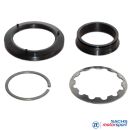
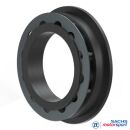
SACHS RCS 140 Racing Clutch, Sinter Pad 7.8 mm
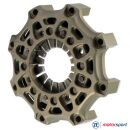
The SACHS RCS 140 Sinter Pad clutch from ZF-Motorsport is an exceptionally compact clutch system for heavily loaded motorsport drivetrains. The series combines very low rotating mass, fast response, direct torque transfer and high torque density with a clutch diameter of just 140 mm. Typical applications include formula cars, prototypes, slalom, hill climb, sprint-focused track setups and motorsport projects with limited installation space.
This category includes the SACHS RCS 140 racing clutch with a Sinter Pad 7.8 mm friction disc: the RCS 1/140-H-S7.8-S as a single-plate racing clutch with 480 Nm maximum transferable engine torque. The Sinter Pad friction lining consists of individual sintered metal pads on the clutch carrier and is designed for direct torque engagement, high mechanical load capacity and stable operation at high disc temperatures.
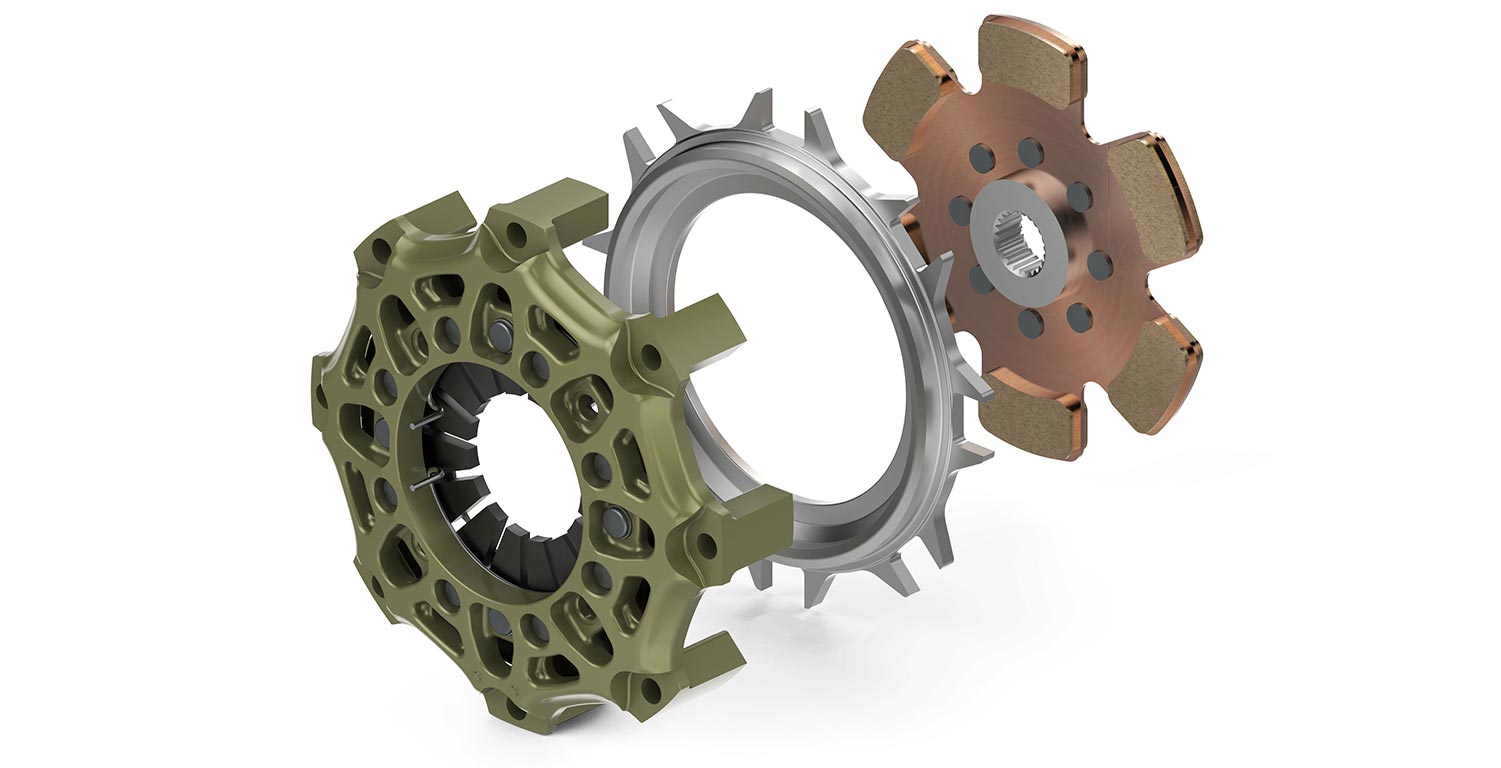
Technical configuration of the RCS 140 Sinter Pad clutch
The RCS 1/140-H-S7.8-S is designed as a single-plate racing clutch for stepped flywheels. The small 140 mm diameter creates a very compact clutch unit with low mass moment of inertia. This supports rapid engine-speed changes, short shift windows and very direct drivetrain response.
| Version | Torque capacity | Design | Technical classification |
|---|---|---|---|
| SACHS RCS 1/140-H-S7.8-S | 480 Nm | Single-plate racing clutch with 140 mm diameter | Very compact racing clutch with Sinter Pad 7.8 mm friction disc, high heat capacity and low rotating mass |
Sinter Pad 7.8 mm friction disc with high heat capacity
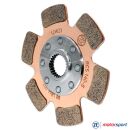
In the RCS 140 Sinter Pad version, the clutch disc works with individual sintered metal pads. The 7.8 mm version provides a large wear reserve and high heat capacity. Temperature peaks are absorbed more effectively, the bite point remains more stable and clutch engagement stays reproducible even at high disc temperatures.
The Sinter Pad friction lining is more direct than an organic friction lining and is suited to motorsport drivetrains where fast response, precise torque engagement and durable starts are the main priorities. Combined with the small 140 mm diameter, it creates a highly responsive clutch unit for tight circuit layouts, frequent load changes and short shift windows.
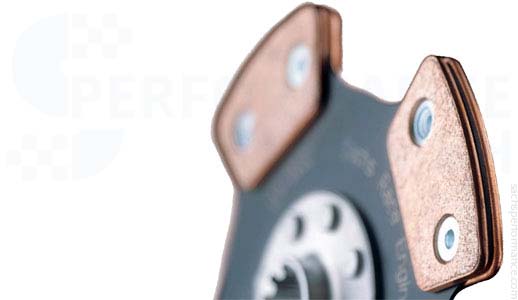
Complete clutch and spare parts for SACHS RCS 140
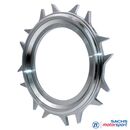
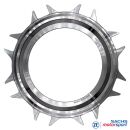
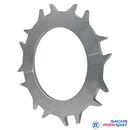
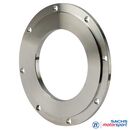
The category includes the complete SACHS RCS 1/140 racing clutch with Sinter Pad 7.8 mm friction disc as well as matching spare and wear parts for maintenance, inspection and rebuilds. These include clutch disc, pressure plate, intermediate plate, clutch housing, adapter plate, motorsport concentric slave cylinder and further components of the modular RCS system.
In motorsport use, friction disc, pressure plate, intermediate plate and housing components are regularly checked according to running time, thermal load and wear condition. The modular design allows targeted replacement of individual components and supports service-friendly maintenance of the clutch unit.
Benefits of the RCS 140 Sinter Pad version
The SACHS RCS 140 racing clutch with Sinter Pad 7.8 mm friction disc combines very compact dimensions with direct torque engagement, high heat capacity and good wear volume. The size is designed for motorsport applications where installation space, mass moment of inertia, shift speed and reproducible engagement behaviour are especially important.
Individual sintered metal pads with high heat capacity and large wear reserve.
Very compact design with low rotating mass and fast response.
High torque density within an exceptionally small clutch size.
Designed for stepped flywheels and two release diameters of 38 or 49 mm.
Clear feedback, fast response and precise clutch engagement in motorsport.
Modular RCS system for high loads, consistent performance and targeted maintenance.
Applications
The RCS 140 racing clutch with Sinter Pad 7.8 mm friction disc is suitable for motorsport applications where compact design, low rotating mass and direct torque engagement must be combined. The small clutch diameter supports rapid engine-speed changes, short shift windows and spontaneous engine response.
- Formula cars & prototypes: compact design and low mass moment of inertia with limited installation space
- Slalom & hill climb: fast response, short shift windows and direct torque engagement
- Circuit racing: reproducible clutch engagement under high temperature load
- Rally & rallycross: durable torque engagement during starts, load changes and changing grip conditions
- Lightweight race cars: RCS 140 clutch with high torque density in minimal installation space
RCS 140, RCS 184 or RCS 200: technical classification
The choice of clutch size affects torque capacity, mass moment of inertia, heat absorption and installation space. The RCS 140 is the particularly compact size within the RCS range and is suited to applications where low rotating mass and fast response are the main priorities. RCS 184 offers more thermal reserve and torque capacity, while RCS 200 is designed for even higher torque and a larger friction surface.
The SACHS RCS 1/140 racing clutch with Sinter Pad 7.8 mm friction disc is therefore a suitable technical choice when a very compact clutch system with high torque density is required. In applications with very high continuous thermal load, heavier vehicles or significantly higher engine torque, a larger RCS 184 or RCS 200 version may be appropriate.
Technical selection: torque, friction disc and hub profile
When selecting the correct SACHS RCS 140 Sinter Pad clutch, engine power, maximum engine torque and the thermal load limit are decisive. The specified transferable torque describes the maximum transferable engine torque of the respective version without any additional safety margin. Depending on application, vehicle weight, tyre grip, gear ratio, starting load, temperature development and load duration, the clutch should be adequately sized or deliberately oversized.
A clutch operated continuously close to its maximum torque capacity may be exposed to higher thermal and mechanical load. For applications with high starting torque, frequent starts, strong grip or long load duration, a larger torque reserve is advisable. Sizing should therefore be based on the real vehicle load and not only on theoretical engine torque.
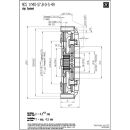
In addition to torque capacity, flywheel, release system, release travel, installation height and the correct hub profile for the gearbox input shaft are decisive. The RCS 1/140-H-S7.8-S is designed for stepped flywheels and is available with different hub profiles as well as 38 and 49 mm release diameters.
Frequently asked questions about the SACHS RCS 140 Sinter Pad clutch
Which RCS 140 Sinter Pad clutch is available in this category?
This category includes the SACHS RCS 1/140-H-S7.8-S. It is a single-plate racing clutch with 140 mm diameter, Sinter Pad 7.8 mm friction disc and 480 Nm maximum transferable engine torque.
What does S7.8 mean on the SACHS RCS 140?
S7.8 designates a Sinter Pad clutch disc with 7.8 mm lining thickness. The individual sintered metal pads provide high heat capacity, direct torque transfer and a large wear reserve for motorsport applications.
What is the benefit of the RCS 140 size?
The 140 mm diameter enables a very compact clutch unit with low rotating mass. This allows the drivetrain to respond faster to engine-speed changes, supporting short shift windows and spontaneous response.
When is an RCS 140 more suitable than an RCS 184 or RCS 200?
An RCS 140 is suitable when low rotating mass, compact installation space and fast response are more important than maximum friction surface. RCS 184 and RCS 200 offer more thermal reserve and higher load capacity, but require more installation space and have a higher mass moment of inertia.
Are individual spare parts available for the SACHS RCS 140?
Yes, individual spare and wear parts are available for the RCS 140. These include clutch disc, pressure plate, intermediate plate, clutch housing, adapter plate, motorsport concentric slave cylinder and further components of the modular RCS system.
What matters in technical selection?
Engine torque, thermal load, application, flywheel type, release system, release travel, installation height and hub profile are decisive. The specified transferable torque must be understood as a maximum value without any additional safety margin.