












SACHS RCS 140 ASC
SACHS Anti-Stall racing clutch RCS 140
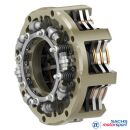
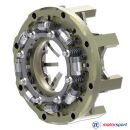
The SACHS RCS 140 Anti-Stall racing clutch from ZF-Motorsport is a centrifugally actuated 140 mm multi-plate clutch for racing cars where controlled starts, repeatable launching and maximum operational safety are decisive. The system works with engine-speed-dependent clamping force: at low engine speed, the clutch remains open; as engine speed rises, the integrated centrifugal mechanism builds clamping force and closes the friction pack.
The key advantage for the driver is that launch torque can be finely dosed via the throttle pedal. Especially during standing starts, pit-lane exits, manoeuvring or changing grip conditions, the ASC reduces the risk of engine stall and helps move the vehicle in a controlled way at the tyre grip limit.
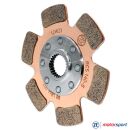
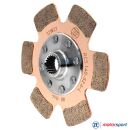
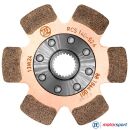
The RCS 140 ASC clutch can be configured for different torque and application profiles. Depending on the version, friction discs with 7.8 mm, 5.2 mm or 2.6 mm are used, ranging from robust thermal reserve to particularly low inertia for very spontaneous engine speed changes.
Anti-stall function for controlled race starts
No stalling at the start
If engine speed drops below the defined operating range, the clutch opens automatically and decouples the drivetrain. This reduces the risk of the engine stalling during launch, a spin, wheel lock-up or abrupt deceleration.
Torque via the throttle pedal
The transmitted slip torque follows engine speed. With a constant throttle position, engine speed and torque remain very stable, an advantage for repeatable starts on dry, damp or uneven track surfaces.
Adjustable from smooth to aggressive
The engagement behaviour can be calibrated using centrifugal levers, springs and the vehicle-specific setup. This allows the clutch characteristics to be matched to vehicle weight, tyre grip, gearing and intended use.
How the centrifugal anti-stall clutch works
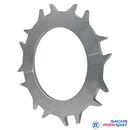
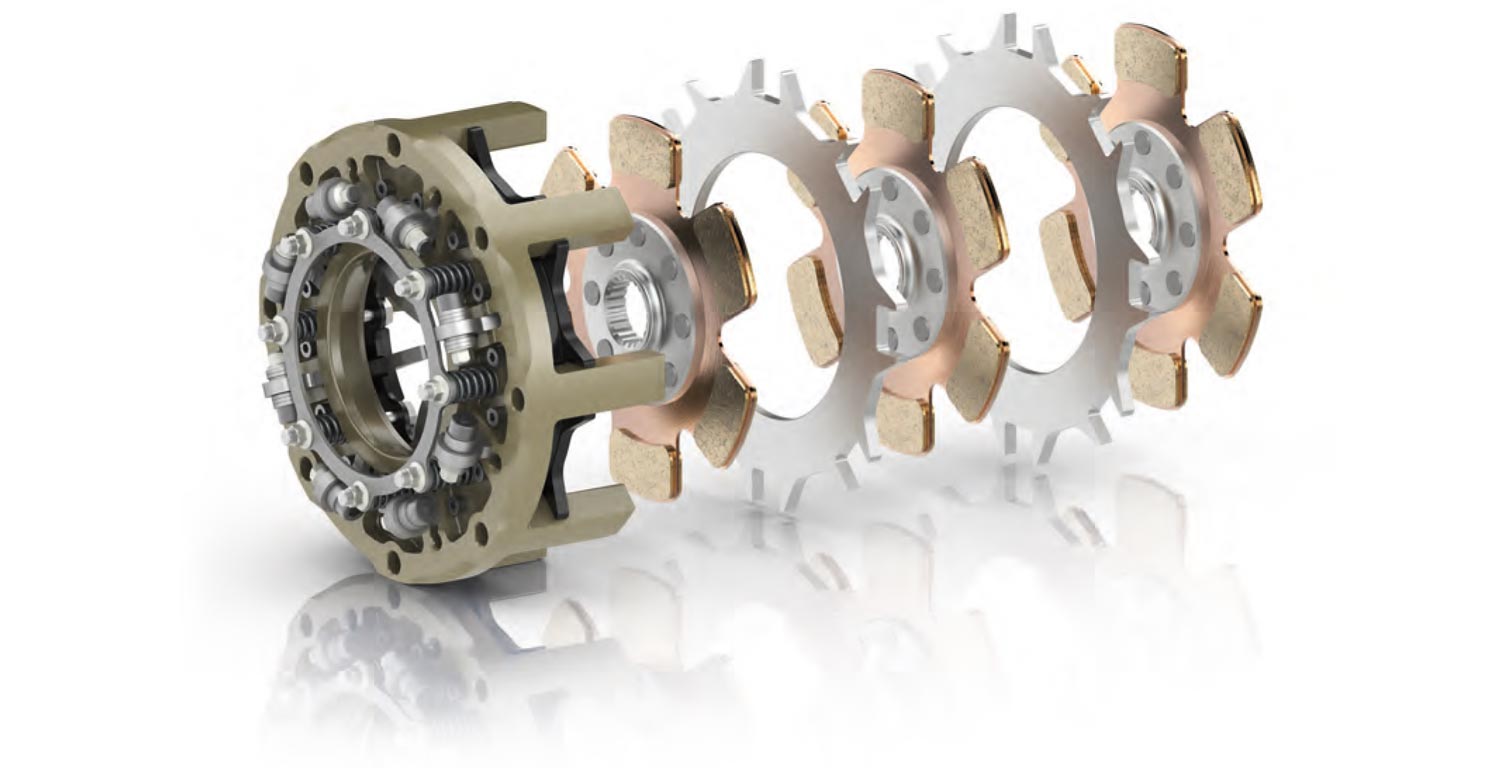
Inside the SACHS ASC, pivoting centrifugal levers are used. As engine speed rises, these levers generate increasing force on the pressure plate. The friction pack is clamped against the flywheel and intermediate plates, the clutch closes progressively and transmits torque.
At low engine speed, the anti-stall elements keep the clutch open. This allows the engine to run without load at idle or at very low vehicle speed. Only once the set engine speed threshold is reached does the system begin to engage in a controlled manner.
An optional hydraulic concentric slave cylinder can be integrated for targeted torque interruption during shifting. This preserves the anti-stall function during launch while allowing the clutch to be operated in a motorsport-appropriate way during driving.
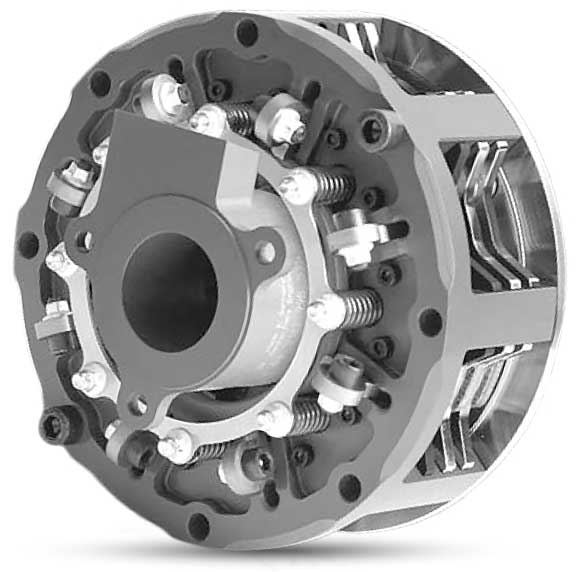
Versions of the SACHS RCS 140 ASC
The Anti-Stall racing clutch based on the RCS 140 platform covers different torque ranges. The number of discs, friction material, lining thickness and vehicle-specific calibration of the ASC system are decisive.
| Version | Friction pack | Max. engine torque | Characteristics |
|---|---|---|---|
| RCS 140/1 7.8 ASC | 7.8 mm sintered pad | 500 Nm | High thermal reserve, easy to modulate, robust launch characteristics |
| RCS 140/3 5.2 ASC | 5.2 mm sintered pad | 750 Nm | Balanced combination of torque capacity, responsive behaviour and durability |
| RCS 140/4 2.6 ASC | 2.6 mm sintered metal | 1,000 Nm | Maximum torque capacity with a very compact design and low inertia |
Note: the specific configuration depends on vehicle, engine torque, flywheel, hub profile, release system and intended use.
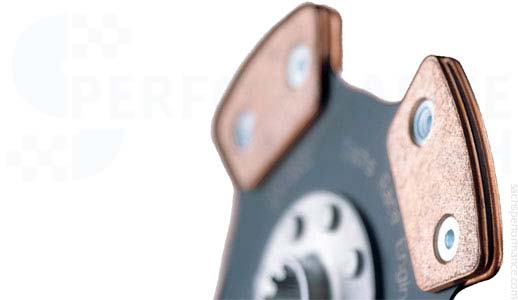
Lining types: 7.8 mm, 5.2 mm and 2.6 mm
The ASC can be used with different friction packs. 7.8 mm sintered pad offers substantial wear and heat reserve and is suitable for applications where clean modulation and thermal stability are the priorities.
5.2 mm sintered pad is a more performance-oriented configuration with lower moment of inertia and very good load capacity. This configuration is relevant when more direct response is required while maintaining high torque capacity.
The 2.6 mm sintered metal version further reduces rotating mass and enables an extremely compact, fast-responding friction pack. It is used where maximum torque capacity and very low inertia are the priorities.
Individual calibration instead of plug-and-play
The RCS 140 ASC is not a standard clutch that is simply installed without technical specification. The optimum setup is defined individually for each application, depending on vehicle concept, engine torque, gearing, tyres, vehicle weight, launch strategy and thermal load.
The engineering work required for this is already part of the ASC concept: every SACHS Anti-Stall racing clutch is configured for the specific application in cooperation with the technical department of ZF Race Engineering. The goal is launch behaviour that matches the respective racing application, from controlled and progressive to particularly aggressive.
Launch behaviour, torque capacity, thermal load capacity and engagement point are therefore not considered in isolation, but calibrated as one complete package. This provides greater repeatability, better drivability and higher safety at the limit.
Motorsport applications
Circuit racing & touring cars
For vehicles with standing starts, high thermal requirements and changing grip conditions. The ASC supports consistent starts and reduces load caused by unnecessarily long slip phases.
Formula, prototypes & hill climb
The compact 140 mm design, low moment of inertia and high torque density suit applications where packaging, response and launch control are decisive.
Rally, rallycross & low grip
In wet conditions, on gravel or with changing grip, the engine-speed-dependent force build-up helps generate slip torque repeatably and keeps the engine running even in critical situations.
Technical advantages at a glance
- Centrifugal anti-stall function with engine-speed-dependent clamping force
- 140 mm multi-plate system with very low moment of inertia
- Configurable with 7.8 mm, 5.2 mm or 2.6 mm friction pack
- Up to 1,000 Nm transmissible engine torque depending on version
- Optionally with hydraulic concentric slave cylinder for torque interruption during shifting
- Individual calibration with ZF Race Engineering for vehicle, driver and operating conditions
- Suitable for standing starts, changing grip conditions and demanding motorsport applications
FAQ about the SACHS Anti-Stall racing clutch RCS 140
Is the SACHS RCS 140 ASC traction control?
No. The clutch generates engine-speed-dependent clamping force and helps with controlled launching. The choice of the optimum launch point, throttle position and vehicle feel remain the driver’s responsibility.
Can the Anti-Stall clutch be used without a clutch pedal?
Depending on the vehicle concept, conventional pedal actuation can be omitted for race starts. For certain applications, a hydraulic concentric slave cylinder remains useful, for example for torque interruption during shifting.
Which lining thickness is right?
This depends on engine torque, vehicle weight, tyre grip, operating duration and the desired characteristics. 7.8 mm offers high reserve, 5.2 mm is a very balanced motorsport compromise, and 2.6 mm stands for particularly low inertia and maximum compactness.
Is the RCS 140 ASC a plug-and-play item?
No. The Anti-Stall racing clutch is engineered for the specific application. Calibration is carried out in cooperation with factory engineering or ZF Race Engineering so that launch behaviour, torque capacity and thermal load capacity match the respective application.