








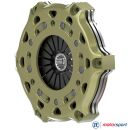



SACHS RCS 200 Racing Clutch, Sintered Metal 2.6
The SACHS RCS 200 sintered metal clutch from ZF-Motorsport is a modular 200 mm clutch system for highly stressed motorsport drivetrains. The series is designed for high torque capacity, low rotating mass, precise release behaviour and fast response. Typical applications include race cars, track tools and high-output motorsport projects with sequential or dog-engagement gearboxes.
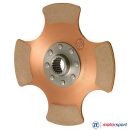
This category includes SACHS RCS 200 racing clutches with sintered metal 2.6 mm friction discs. The designation S2.6 describes a sintered metal clutch disc with a 2.6 mm lining thickness. The friction lining is sintered directly onto the clutch carrier and is therefore technically different from sinter-pad discs with individual friction segments.
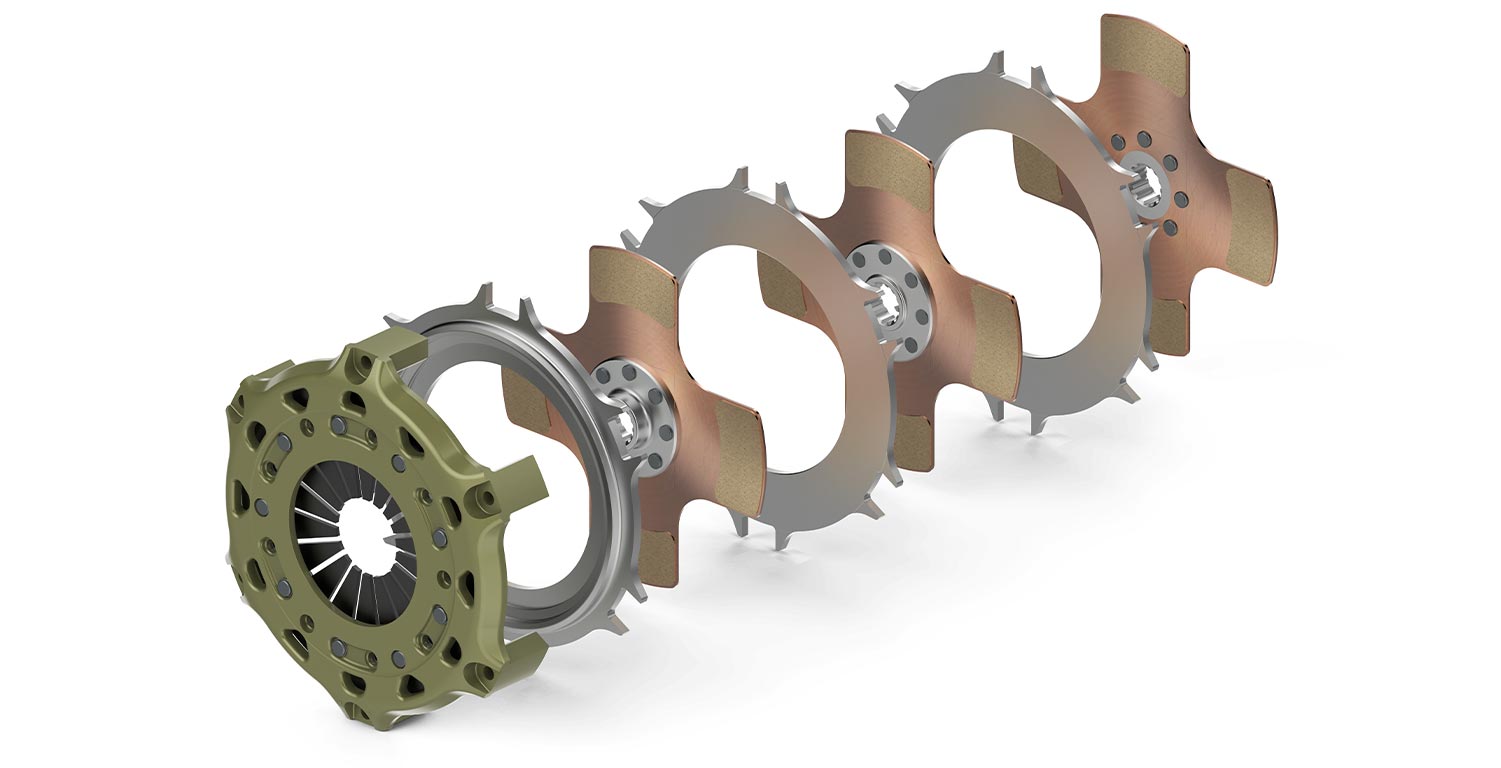
Technical variants of the RCS 200 sintered series
The variants mainly differ in the number of friction discs, the transmittable torque capacity and the thermal reserve. More friction discs increase the effective friction area and enable higher torque transfer in a compact design. The sintered metal version is designed for direct torque transfer, fast response and high thermal load capacity.
| Version | Torque capacity | Design | Technical classification |
|---|---|---|---|
| SACHS RCS 2/200-S2.6 | 1,665 Nm | Twin-plate racing clutch with 200 mm diameter | High torque capacity with low rotating mass |
| SACHS RCS 3/200-S2.6 | 2,497 Nm | Triple-plate racing clutch with 200 mm diameter | Increased friction area and thermal reserve for very high loads |
Directly sintered sintered metal lining
On the RCS 200 Sinter S2.6, the metallic friction lining is bonded directly to the clutch carrier. This construction reduces the mass and installation height of the friction disc and provides high stiffness. The result is a clearly defined bite point, fast response during engagement and very direct torque transfer.
The low lining thickness of 2.6 mm supports rapid engine speed changes and spontaneous engine response. At the same time, the multi-plate design enables high torque figures and thermal stability with a compact clutch diameter.

Complete clutches and spare parts for SACHS RCS 200
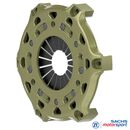
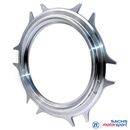
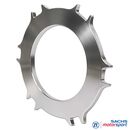
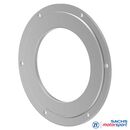
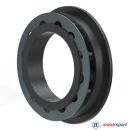
The category includes complete SACHS RCS 200 racing clutches as well as matching spare and wear parts for maintenance, overhaul and rebuilds. These include clutch discs, pressure plates, intermediate plates, clutch housings, release rings, adapter plates, concentric slave cylinders and further components of the modular RCS system.
In motorsport use, friction discs, pressure plates, intermediate plates and housing components are checked regularly depending on operating time, thermal load and wear condition. The modular design enables targeted replacement of individual components and supports service-friendly maintenance of the clutch unit.
Benefits of the RCS 200 sintered version
The SACHS RCS 200 sintered clutch combines very direct response with high torque capacity and compact installation space. The directly sintered friction lining supports precise torque transfer, while the multi-plate design increases load capacity and thermal reserve.
Sintered metal friction lining directly on the clutch carrier, without separate pads.
Low installation height, low mass and fast response.
High load capacity in a compact design.
More friction area for high torque capacity and thermal stability.
Clear feedback and fast response in motorsport drivetrains.
Developed for high loads, short response times and consistent performance.
Applications
The RCS 200 sintered metal racing clutch is suitable for motorsport applications where high torque figures, fast response and precise torque transfer are decisive. The directly sintered 2.6 mm sintered metal lining is particularly suitable for drivetrains with fast gear changes, high thermal load and limited installation space.
- Circuit racing: precise torque transfer under high thermal load
- Rally & rallycross: fast response during starts, load changes and changing grip conditions
- Hill climb: direct torque transfer under high load and short operating windows
- Touring car & GT applications: high torque capacity in a compact design
- Track tools & racing projects: low rotating mass and clearly defined engagement behaviour
Sintered metal, Organic or carbon: technical classification
The choice of friction material influences response, temperature resistance, wear behaviour and drivetrain loading. Sintered metal offers a very direct friction characteristic, high temperature resistance and low rotating mass. Organic is softer and easier to modulate, while carbon is used for very high thermal loads and particularly compact high-performance applications.
The RCS 200 racing clutch with sintered metal 2.6 mm friction discs is therefore the right technical choice when fast response, precise torque transfer and high thermal stability are the priority. For applications focused on particularly smooth engagement, an organic version may be useful; at maximum temperature load, carbon may be the suitable alternative.
Technical selection: torque, friction discs and hub profile
Engine power, maximum engine torque and the thermal load limit are decisive when selecting the correct SACHS RCS 200 sintered clutch. The specified transmittable torque describes the maximum transmittable engine torque of the respective version without an additional safety margin. Depending on application, vehicle weight, tyre grip, gear ratio, launch load, temperature development and load duration, the clutch should be sufficiently dimensioned or deliberately oversized.
A clutch that is operated permanently close to its maximum torque capacity can be exposed to higher thermal and mechanical stress. For applications with high launch torque, frequent starts, strong grip, high vehicle mass or long load duration, a larger torque reserve is advisable. The layout should therefore be based on the real vehicle load and not solely on theoretical engine torque.
In addition to torque capacity, flywheel, release system, release travel, installation height and the correct hub profile for the gearbox input shaft are decisive. Only when these parameters match the entire drivetrain precisely will torque transfer, release behaviour and durability function reliably.
Frequently asked questions about the SACHS RCS 200 sintered clutch
What does S2.6 mean on the SACHS RCS 200?
S2.6 denotes a sintered metal clutch disc with a 2.6 mm lining thickness. The friction lining is sintered directly onto the clutch carrier and forms a lightweight, stiff and very direct-responding friction disc for motorsport.
Is the RCS 200 Sinter a sinter-pad clutch?
No. On the RCS 200 Sinter S2.6, the metallic friction lining is sintered directly onto the clutch carrier. A sinter-pad disc, by contrast, uses individual friction segments.
What is the benefit of the directly sintered lining?
The directly sintered lining reduces mass and installation height, increases the stiffness of the friction disc and provides a precise bite point. This supports fast response and very direct torque transfer.
What is the difference between RCS 2/200-S2.6 and RCS 3/200-S2.6?
The RCS 2/200-S2.6 is a twin-plate racing clutch with 1,665 Nm maximum transmittable engine torque. The RCS 3/200-S2.6 has three friction discs and increases torque capacity to 2,497 Nm. The additional friction disc increases friction area and thermal reserve.
Are individual spare parts available for the SACHS RCS 200 Sinter?
Yes, depending on the version, individual spare and wear parts are available. These include clutch discs, pressure plates, intermediate plates, clutch housings, release rings, adapter plates, concentric slave cylinders and further components of the modular RCS system.
What matters when selecting the correct technical version?
Key factors are engine torque, thermal load, application, flywheel type, release system, release travel, installation height and hub profile. The specified transmittable torque should be understood as a maximum value without an additional safety margin.