English





Description
Manufacturer
Product Tags
Designed to make a
difference
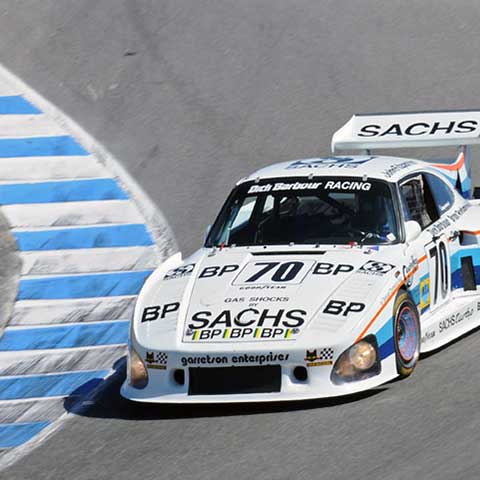
ZF Race Engineering's SACHS motorsport clutches have stood for top-tier quality in international racing for decades. The ambition: continuous improvement and the drive to keep pushing the limits. From the lightest clutch used in Formula 1 to proven twin-plate and multi-plate systems in WRC, DTM, NASCAR, Le Mans and the Dakar Rally - ZF Motorsport technology is a core component of many winning cars worldwide.
SACHS carbon clutch module
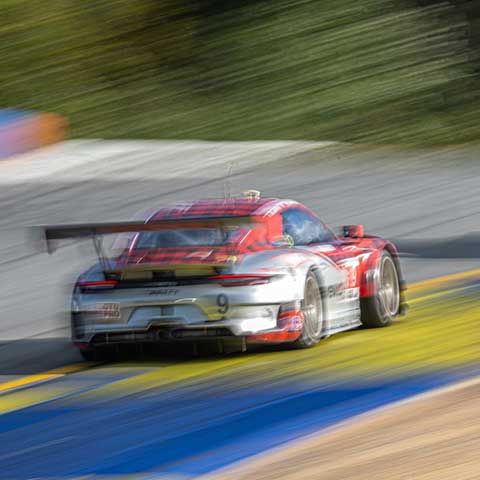
Porsche 911 Cup
The Clutch of Competence
Vehicle-specific for Porsche 993 Cup 3.8 (1994–1998), 996 GT3 Cup (1998–2005) and 997 GT3 Cup (2005–2013): the SACHS motorsport clutch module is a matched system consisting of a lightweight single-mass flywheel, multi-plate clutch (Ø 140 mm) and motorsport concentric slave cylinder (CSC). It reduces rotating masses, shortens shift windows and offers a finely controllable pedal feel – ideal for standing starts, hard pit stops and sprint/endurance stints in one-make cups and historic GT series.
Major weight advantage: complete module incl. flywheel approx. 5.69 kg instead of OE approx. 23.86 kg – around −76% versus the production clutch. Result: noticeably quicker rev pickup, shorter rpm matching and reduced driveline loads.
Design and friction system are tailored to Cup power levels: 993 Cup 3.8 (~310 hp), 996 GT3 Cup (335–385 hp) and 997 GT3 Cup (up to 450 hp). The module works with the respective 6-speed Cup gearboxes (G50/30 H-pattern in the 993, H-pattern in the 996, sequential dog-type in the 997).
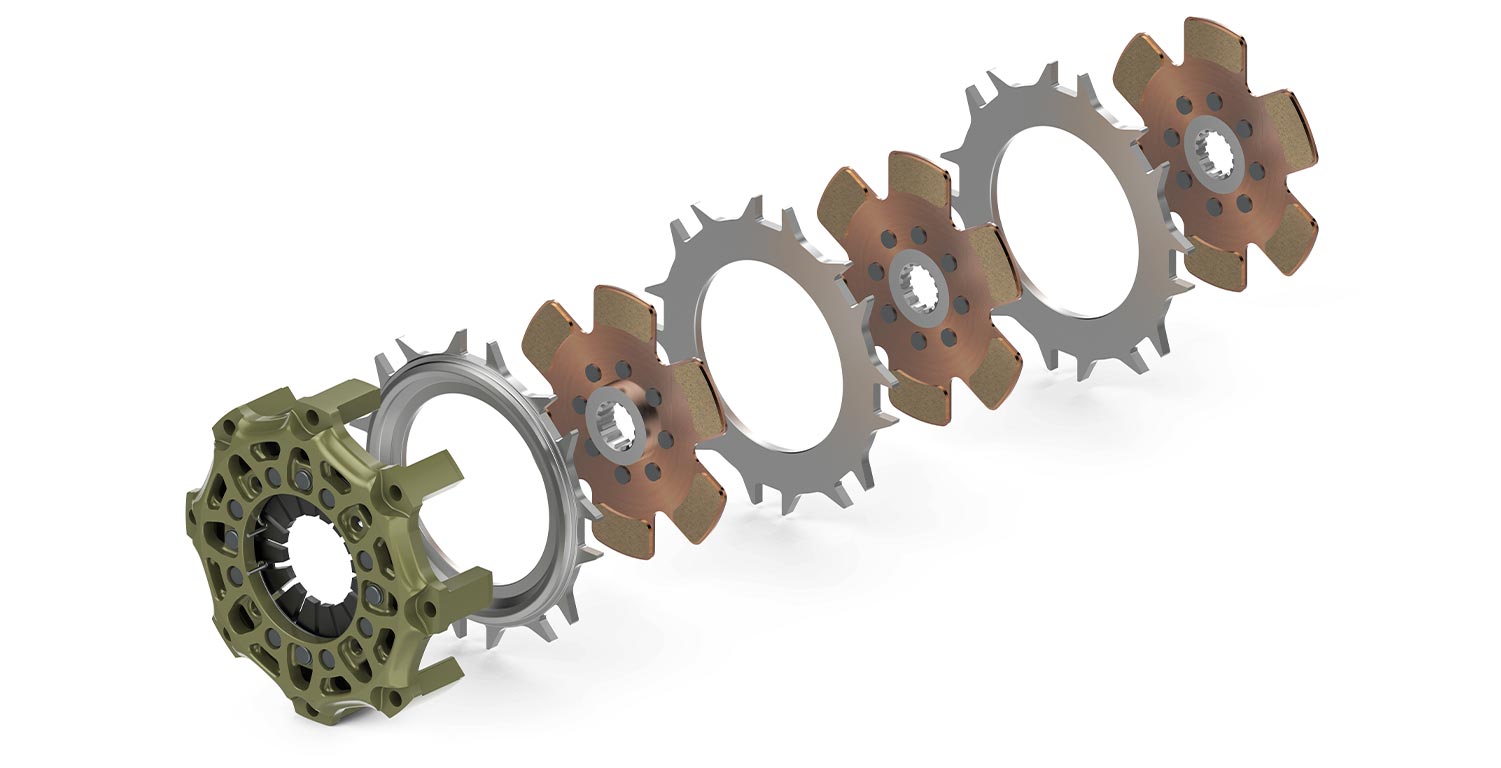
Benefits
maximum thermal resilience - carbon quality from Formula 1
very low weight and minimal moment of inertia
smooth and comfortable launch behavior
no flywheel wear
extreme durability - up to 4x longer than conventional sintered racing clutches
Lowest mass
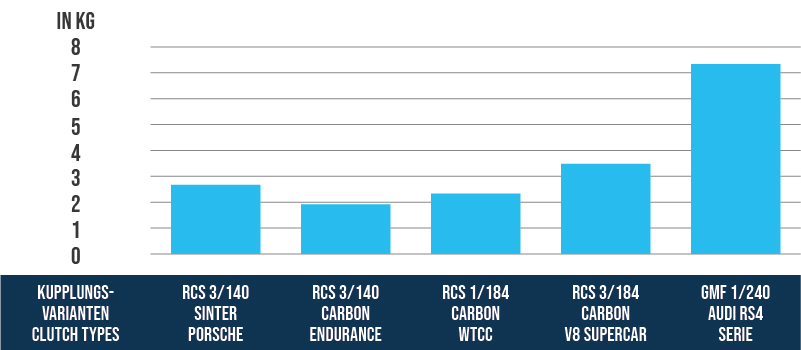
One of the major strengths of a carbon racing clutch is its low mass and the resulting low moment of inertia.
They are designed for the lowest possible mass with the goal of transferring engine torque to the gearbox as quickly and directly as possible.
Lightening measures in the cranktrain that reduce the moment of inertia increase vehicle acceleration noticeably in the lower gears.
Faster acceleration
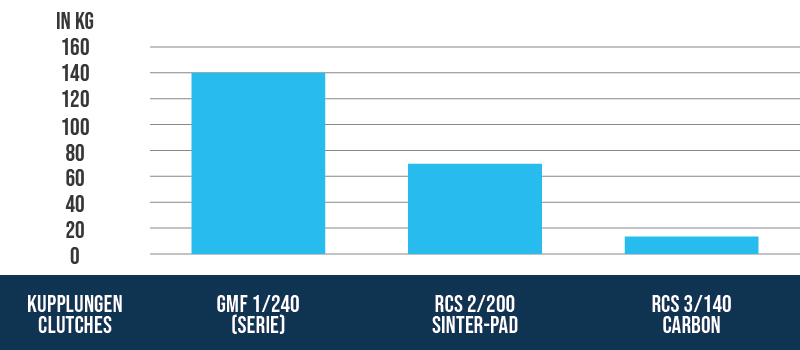
If, for example, the clutch has a moment of inertia (Mtm) of 0,061 kgm2, with a gearbox ratio of 13,4:1 (first gear ratio) this acts at the drive wheel with 180 times the value (13,42). Converting Mtm into vehicle mass results in an additional weight of approx. 145 kg in 1st gear that must be accelerated.
Thanks to the extremely low inertia of the SACHS carbon clutch, shift times are significantly reduced and the vehicle accelerates faster.
Maximum service life
For carbon clutches there are pressure plate and shim packs available that compensate carbon wear. With these compensation pressure plates the clutch can be reset to as-new condition - significantly extending service life.
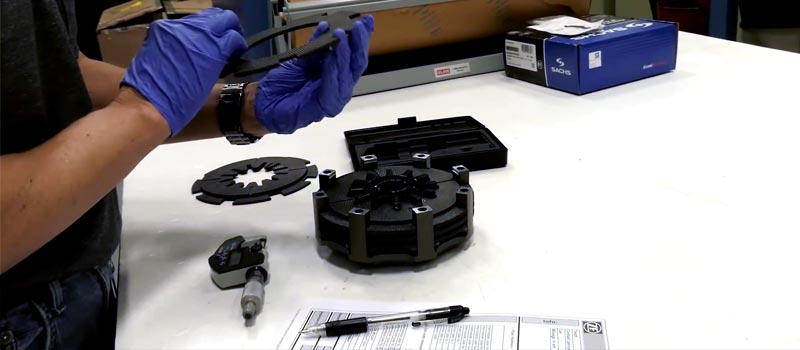
Each unit undergoes stringent quality checks and is individually tested and measured before shipment. Preload force, installation height and release characteristics are documented. The preinstalled carbon stack thickness is also recorded - the included document supports maintenance and the shimming process (compensation pressure plates for refurbishment).
Technology
Technical data – clutch module
-
Vehicles:
Porsche 993 Cup 3.8 (1994–1998)
Porsche 996 GT3 Cup (1998–2005)
Porsche 997 GT3 Cup (2005–2013) - Max. transferable torque: 900
- System weight incl. flywheel: 5.69 kg
(OE approx. 23.86 kg → −76%) - Clutch mass [kg]: 2.17
- Inertia [kg·m²]: 0.00687
- Release diameter [mm]: 38
- Release force [N]: 4,800
- Release travel [mm]: 4.5 + 0.5
Clutch housing
High-strength forged aluminium for maximum stiffness with minimal package space. The geometry supports efficient heat dissipation and keeps the temperature window stable – ideal for sustained racing loads in Cup sprints and endurance stints.
Friction system
Motorsport multi-plate friction pack (Ø 140 mm) with high temperature resistance, consistent friction and very low rotating mass. Confident launches, short rpm matching and a repeatable bite point over many starts and pit stops.
Hub profile
Vehicle-specific manufacturing precisely matched to the input shaft of each Cup platform (993 G50/30, 996 Cup H-pattern, 997 Cup dog-type). Result: maximum fit accuracy, reliable torque transfer and long service life.
Concentric slave cylinder (CSC)
Motorsport CSC with enlarged hydraulic volume to reduce pedal effort. One-piece high-strength housing minimises leakage risk; bearings and sealing systems are designed for high rpm and long race cycles. Matching actuation Ø: 38 mm.
Scope of supply
RCC 140 clutch housing (HA140), aluminium
3 × carbon driven plates (RCC 140)
4 × carbon pressure plates (RCC 140)
1 × hub for Porsche 993/996/997 Cup
1 × base plate, steel
1 × retaining ring, steel
1 × lightweight single-mass flywheel, steel
1 × motorsport concentric slave cylinder (CSC)
Quality Made in Germany
ZF Race Engineering has been among the technology leaders in motorsport for years. The combined know-how from top-level racing flows directly into the development of RCS racing clutches. State-of-the-art manufacturing methods, the highest quality standards and motorsport technologies make ZF Motorsport clutches the first choice for maximum performance and reliability - on circuits as well as in rallying, touring and endurance racing.
Applications
Europe
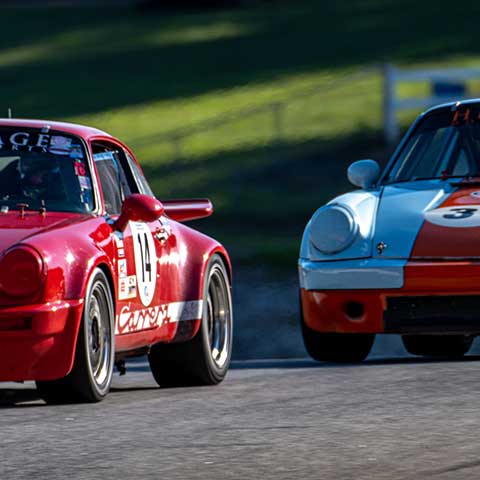
993 Cup: Porsche Supercup (from 1994), Carrera Cups (DE/FR), later VLN/NLS and historic GT/Cup series.
996/997 Cup: Porsche Mobil 1 Supercup, numerous national Carrera Cups, VLN/NLS, 24h Nürburgring, historic Cup/youngtimer formats.
North & South America
Porsche GT3 Cup Challenge / Carrera Cup North America, club and endurance racing (IMSA environment); today widely seen in historic/vintage series (HSR, SVRA) and track days.
Asia / Pacific
Carrera Cup Asia/Japan as well as regional GT and club racing; now often used in historic Cup classes and Porsche Club races (incl. Japan, Australia, New Zealand).
Partners of ZF Race Engineering